Zanzibar Travel Guide
Zanzibar: History & Culture – From Spice Trade to Today
By Haji, your local · updated on 12.07.2026 · 8 min read
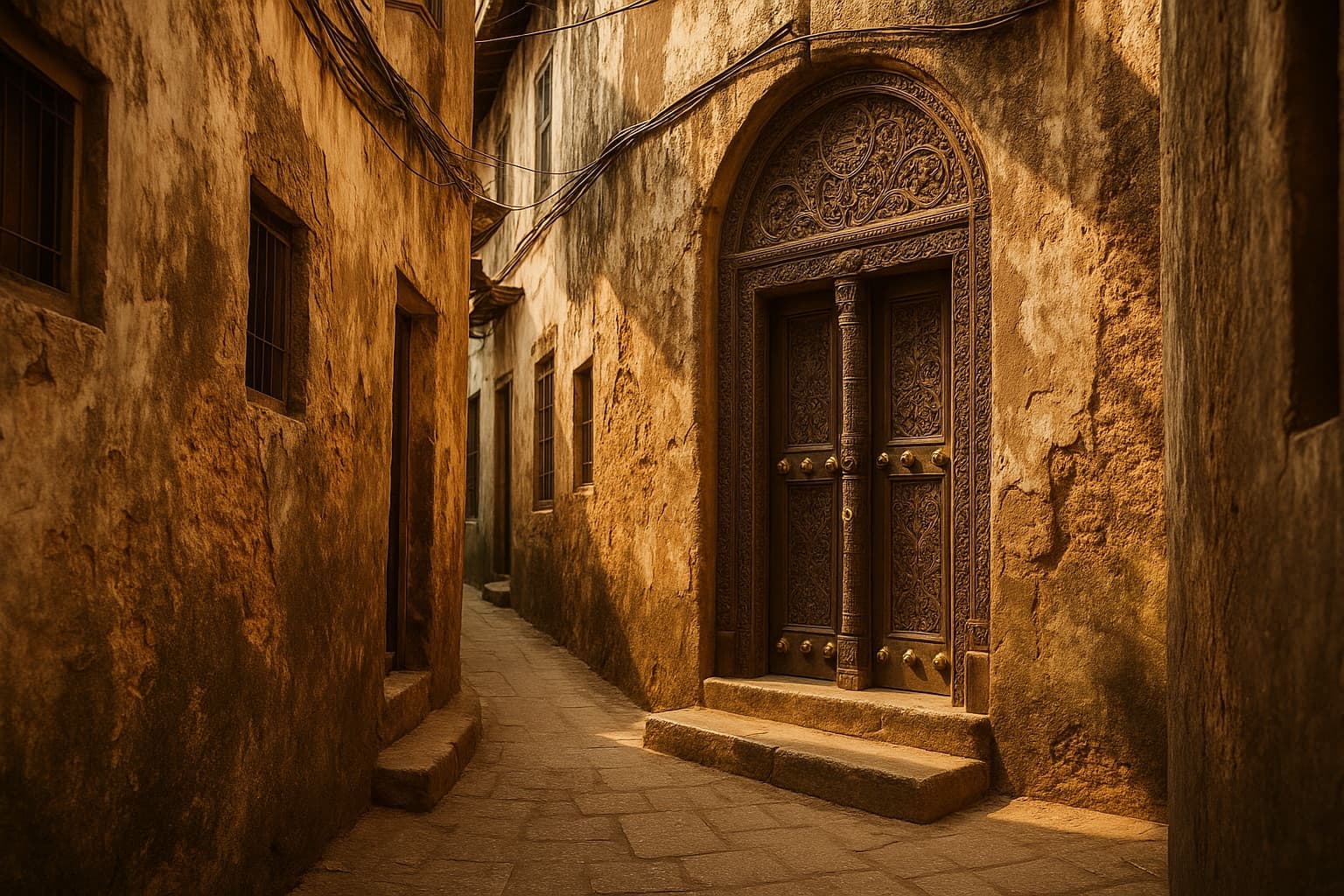
Part of our complete Zanzibar travel guideThe history of Zanzibar is as intricate as the carved doors of Stone Town. For centuries, traders from Arabia, Persia, India, and Europe met here, leaving behind a unique culture. This short journey through time explains why Zanzibar is so special and what you can rediscover in the alleys of Stone Town.
A Crossroads Between Worlds
Over a thousand years ago, the Swahili coast was a trading hub. With the monsoon winds, dhows from Arabia, Persia, and India came to Zanzibar, exchanging fabrics and spices for ivory and gold. From this blend emerged the Swahili culture – African at its core, with Arab, Indian, and later European influences.
Sultans, Cloves – and a Dark Side
In 1840, the Omani Sultan Said bin Sultan moved his capital from Muscat to Stone Town. Zanzibar became fabulously wealthy through cloves – hence the name "Spice Island." But prosperity had a dark side: Zanzibar was long a center of the East African slave trade. On the site of the former slave market now stands the Anglican Christ Church Cathedral (built from the 1870s) as a memorial. The slave trade was officially banned in 1873.
The Shortest War in History
In 1890, Zanzibar became a British protectorate. In 1896, the Anglo-Zanzibar War occurred – it lasted only about 38 minutes and is considered the shortest war in recorded history.
Revolution and the Path to Tanzania
In 1963, Zanzibar gained independence, followed by the Zanzibar Revolution in January 1964. A few months later, in April 1964, Zanzibar joined with Tanganyika – forming Tanzania. To this day, Zanzibar is a semi-autonomous part of Tanzania with its own president and government.
Freddie Mercury & the Heritage in the Alleys
A famous son of the island: Farrokh Bulsara – better known as Freddie Mercury – was born in Stone Town in 1946. The old town itself has been a UNESCO World Heritage Site since 2000: artfully carved wooden doors in Arab and Indian styles, coral stone houses, mosques next to Hindu temples and cathedrals. The best way to discover all this is on a stroll through Stone Town – and taste the spice history on the Spice Tour.
Want to experience this history yourself? I'll create a free plan for you with Stone Town, Spice Tour, and the most beautiful spots.
Frequently asked questions
Why is Zanzibar called the Spice Island?+
Because in the 19th century, the island became enormously wealthy through the cultivation and trade of spices – especially cloves. To this day, cinnamon, cardamom, nutmeg, and vanilla grow here.
Is Stone Town a UNESCO World Heritage Site?+
Yes, the old town of Stone Town has been a UNESCO World Heritage Site since 2000 – for its unique Swahili architecture and history.
Was Freddie Mercury really from Zanzibar?+
Yes. Freddie Mercury (Farrokh Bulsara) was born in Stone Town in 1946. A house in the old town commemorates him.
Does Zanzibar belong to Tanzania?+
Yes, since the union with Tanganyika in 1964. However, Zanzibar is semi-autonomous, with its own government and president.